Not More But Different: Comparative Mechanisms of Psychedelic & SSRI Therapy
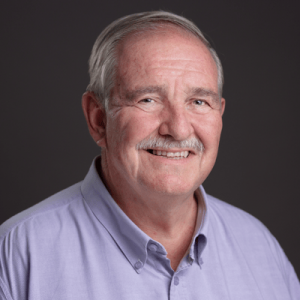
 David Nutt, MD (Professor of Psychiatry & Psychopharmacology, Imperial College London)
 Tuesday 13 January, 2026 8PM CET (7PM GMT, 2PM ET, 11:00AM PT)
 Online via Zoom
There is growing evidence that psychedelics such as psilocybin and DMT have therapeutic utility for people with depression, including those for whom conventional antidepressant treatments have not been effective. At the same time, SSRIs and other traditional antidepressants remain essential, evidence based, and often life saving treatments for many individuals. Psychedelics differ from these established therapies in their underpinning pharmacology and in the way therapeutic change can unfold, which in some studies appears to occur over a relatively short period of time, with only one or two doses required, following carefully supported dosing sessions.
Your Key Insights and Takeaways
- Clear distinctions in mechanisms of action between SSRIs and psychedelics, including differences in receptor targets, network effects, and psychological processes.
- What comparative brain imaging and clinical data reveal about the unique potential of psychedelics for treatment-resistant depression.
- Implications for clinical practice, including how to determine when psychedelic therapy may be an appropriate alternative or complement to standard antidepressant treatment.
- Therapists, clinicians, and mental health practitioners who want a deeper understanding of the differing therapeutic mechanisms of SSRIs and psychedelics.
- Researchers and academics exploring neurobiological and psychological models of depression and recovery.
- Professionals in the psychedelic field seeking to ground their practice in evidence-based, mechanistic understanding of how these interventions differ from conventional pharmacotherapy.
- Policy makers and programme developers interested in how emerging data on psychedelic mechanisms may shape future mental health care pathways.